

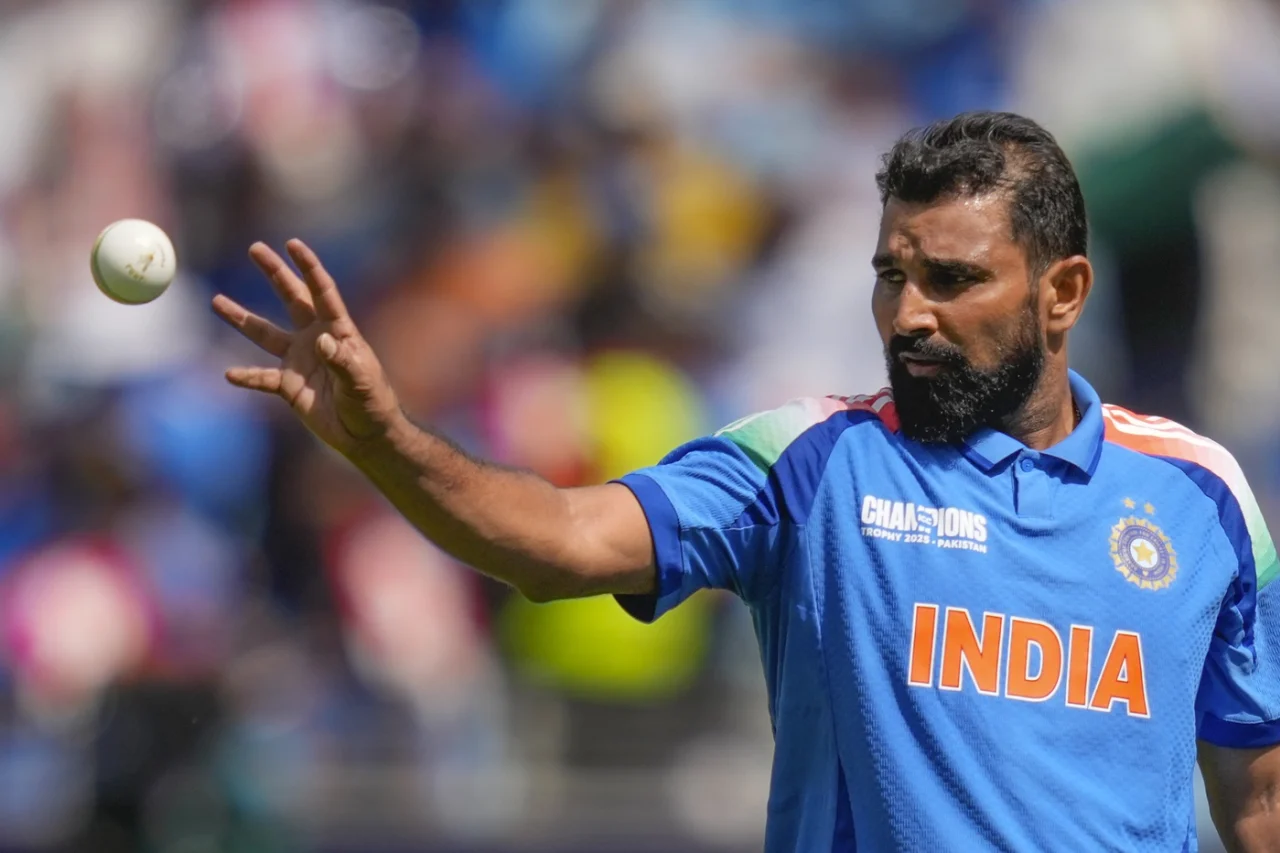
 Mohammed Shami gets ready to bowl. (Photo credit: Associated Press)
The International Cricket Council (ICC) is considering scrapping the use of two new balls in One-Day Internationals (ODIs) to bring reverse swing back into the game and give bowlers more edge.
Table of Contents
While not a complete overhaul of the current Playing Conditions, the proposal suggests that teams start with two new balls but continue with only one from the 25th over onward, allowing the bowling side to choose which ball to retain.
This change, recommended by the ICC Cricket Committee, aims to address long-standing concerns that the current rule limits wear and tear, reducing reverse swing.
Cricket legends, including Sachin Tendulkar, have criticized the two-ball rule, calling it detrimental to the game.
Additionally, the ICC is mulling the introduction of in-game clocks in Test matches to improve over rates and is exploring the possibility of shifting the Men’s U-19 World Cup to a T20 format.
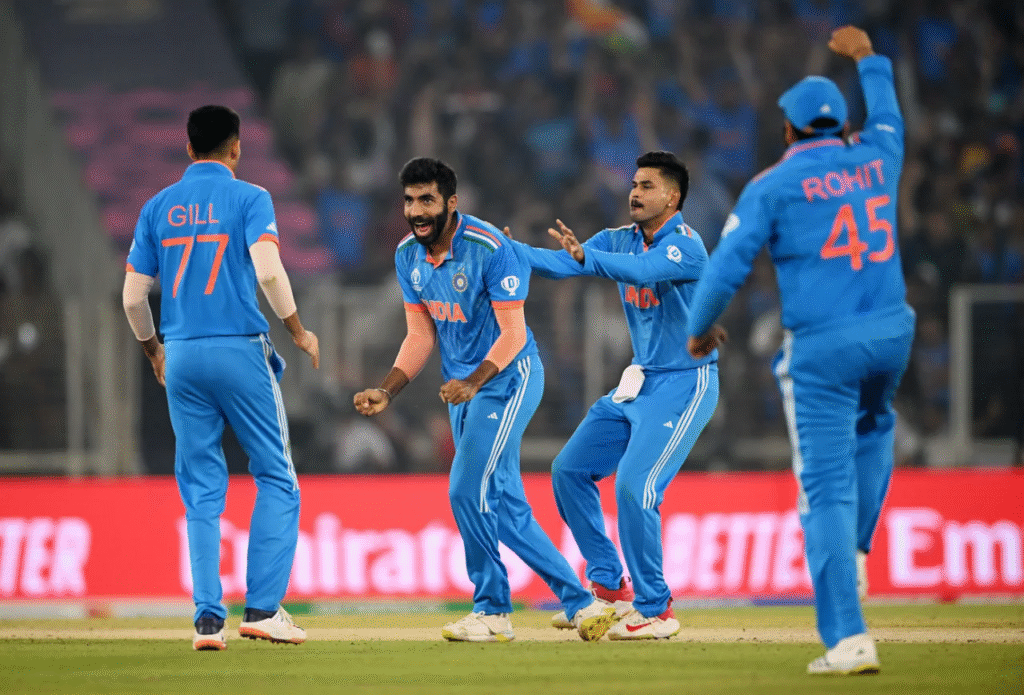
“Having two new balls in one day cricket is a perfect recipe for disaster as each ball is not given the time to get old enough to reverse. We haven’t seen reverse swing, an integral part of the death overs, for a long time,” Tendulkar had famously said.
Tendulkar has consistently pushed for a better bat-ball balance in ODIs, believing the format currently favors batters too heavily—a view backed by former fast bowler Brett Lee.
The Cricket Committee, led by Sourav Ganguly, seems to have taken note. Historically, white balls would often lose shape or discolor by the 35th over, prompting mid-innings replacements.
Under the proposed change, only one ball would be used after the 25-over mark, meaning by the end of the innings, the ball would have seen around 37-38 overs—a step closer to restoring reverse swing.
Currently, two separate balls are used from each end, each lasting 25 overs. The proposal will be discussed further during the ongoing ICC meetings in Zimbabwe.
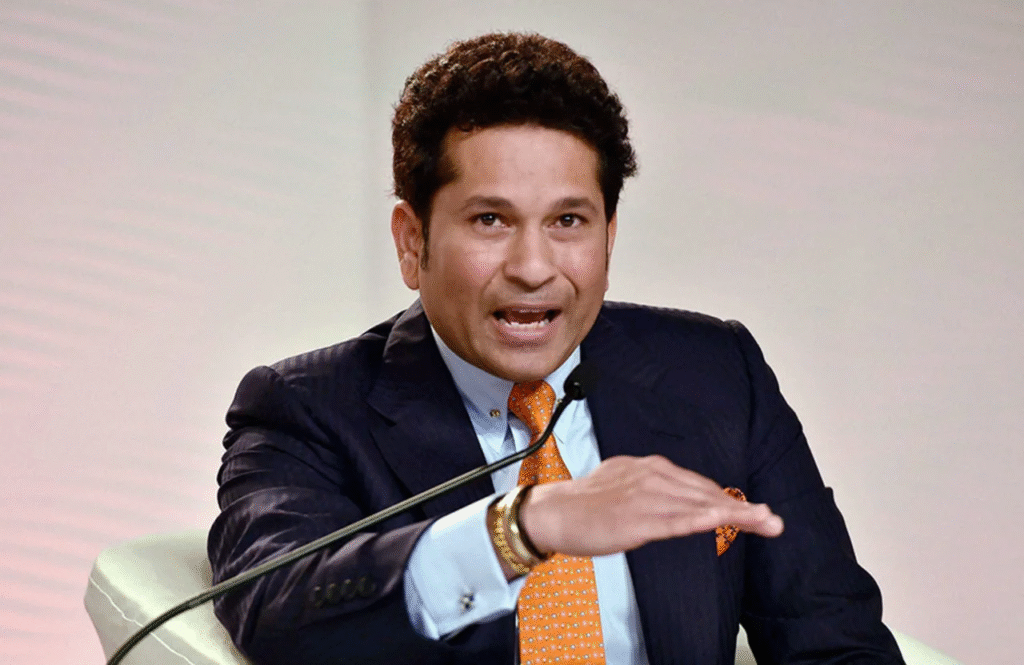
Another key recommendation involves introducing in-game clocks in Test matches, with a 60-second limit between overs. This concept, already active in white-ball cricket, has helped improve match pacing. The committee aims to ensure 90 overs are completed each day in Tests.
Additionally, the ICC is considering shifting the Men’s Under-19 World Cup to the T20 format. While opinions differ—with some preferring to retain the 50-over format—supporters point out that the Women’s U-19 World Cup has already adopted T20, with editions held in 2023 (South Africa) and 2025 (Malaysia). Any changes would come into effect from the 2028 broadcast cycle onward.




Comments are off for this post.